
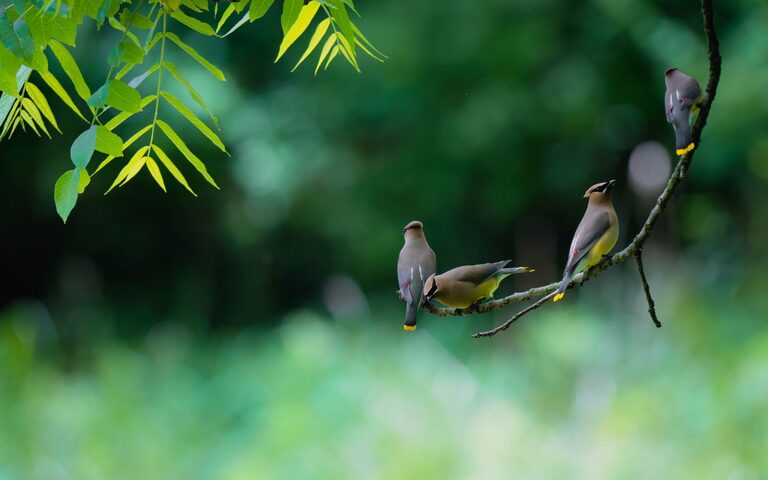
Birdwatching is a relaxing and rewarding hobby that anyone can enjoy, right from the comfort of their own backyard. Whether you live in the city, suburbs, or countryside, your outdoor space can become a welcoming spot for local birds. If you’re new to birdwatching, this guide will provide helpful tips to get you started and make the most of your time in nature.
Why Backyard Birdwatching?
Birdwatching connects you with nature, reduces stress, and sharpens your observation skills. It’s a wonderful way to spend time outdoors, appreciate wildlife, and learn about your local ecosystem. The best part? You don’t need fancy gear or a lot of land to begin.
Setting Up Your Backyard for Birdwatching
1. Provide Food Sources
Birds visit where food is available. Setting up feeders is a simple way to attract various species.
– Choose the Right Feeders: Tube feeders are great for small songbirds; platform feeders attract ground feeders like doves and sparrows.
– Select Appropriate Birdseed: Black oil sunflower seeds are popular with many bird types. Nyjer seed appeals to finches. Avoid mixes with fillers.
– Keep Feeders Clean: Regularly clean feeders to prevent mold and disease.
2. Offer Water
Birds need fresh water for drinking and bathing. A birdbath or shallow dish with clean water will encourage visits.
– Change water frequently to keep it clean.
– Place the water source in a safe, visible area.
– Adding a small fountain or dripper creates noise that attracts birds.
3. Create Shelter and Nesting Spots
Birds seek safe places to rest and nest.
– Plant native shrubs, trees, and flowers that provide cover.
– Leave some leaf litter or brush piles for ground dwellers.
– Install birdhouses suitable for birds in your area.
Essential Equipment for Beginners
Starting birdwatching doesn’t require expensive gear, but some tools can enhance your experience.
– Binoculars: A good pair with 8x or 10x magnification is ideal for watching birds up close without disturbing them.
– Field Guide or App: Use a book or mobile app to identify birds by appearance and calls.
– Notebook: Keep a journal of birds you spot to track your sightings and learn over time.
Tips for Observing Birds
Patience Is Key
Birds can be shy. Spend quiet moments near feeders or favorite spots to let birds grow comfortable with your presence.
Learn About Bird Behavior
Understanding feeding habits, flight patterns, and calls will help you predict where and when to look.
Watch at Different Times of Day
Early mornings and late afternoons are often the best times to see active birds.
Identifying Common Backyard Birds
Start by learning the most common species in your region. Look for size, color patterns, beak shape, and behavior. For example:
– Northern Cardinal: Bright red body (males), with a crested head.
– American Robin: Orange breast and gray back.
– Blue Jay: Blue and white feathers with a distinctive crest.
Use your guide to note distinguishing features and calls.
Enjoying Birdwatching With Family and Friends
Birdwatching is a great activity to share. Invite others to join you, and teach children about the importance of wildlife and conservation.
– Create bird-related crafts or activities to engage kids.
– Host backyard birdwatching events or challenges.
Keep a Positive Impact on Wildlife
Respect the birds and their habitat by:
– Keeping a safe distance.
– Avoiding disturbing nests.
– Using bird-friendly products and plants.
Conclusion
Starting backyard birdwatching is an easy and enjoyable way to connect with nature. By providing food, water, and shelter, using simple tools, and observing patiently, you’ll soon find yourself identifying a variety of birds and appreciating the beauty right outside your door. Happy birdwatching!